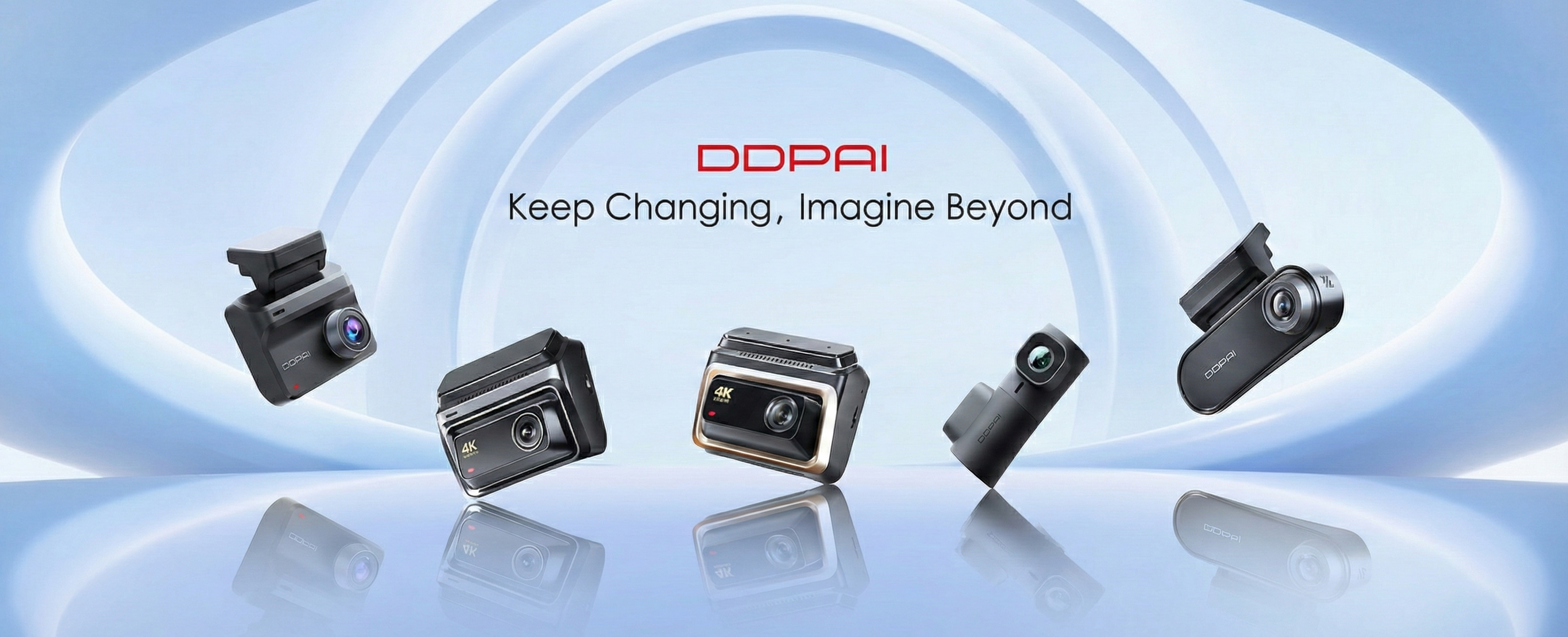
Choosing the right dashcam isn’t just about recording your drive — it’s about protecting yourself, your passengers, and your vehicle. From video quality to intelligent safety features, here’s everything you should consider before buying a dashcam.
1. Video Quality: Resolution & Frame Rate

Video quality is the single most important factor when selecting a dashcam. Clear footage can make the difference between identifying a license plate — or missing it completely.
Resolution
-
Minimum recommended: 1080p (Full HD)
-
Best for maximum clarity: 4K (Ultra HD)
While 1080p is the standard, 4K resolution provides significantly sharper details, especially when reading license plates, road signs, or capturing incidents at a distance.
4K dashcams used to be expensive, but today they are widely available at competitive prices — making them a smart long-term investment.
Frame Rate (FPS)
Frame rate determines how smooth your footage looks.
-
30fps: Standard and sufficient for most drivers
-
60fps: Smoother motion and clearer details in fast-moving scenes

For example, recording at 60fps, makes it easier to identify important details during high-speed driving or sudden events.
Pro Tip: If you frequently drive on highways or in busy urban areas, a higher frame rate is worth considering.
2. Single-Channel vs Multi-Channel Recording
Dashcams are available in different camera configurations depending on how much coverage you need.
Single-Channel

-
Records the road in front of your vehicle
-
Budget-friendly and simple to install
-
Ideal for basic protection
Dual-Channel (Front + Rear)

-
Records both the front and rear
-
Protects against rear-end collisions
-
Great for everyday drivers
Dual-Channel (Front + Cabin)

-
Records road and interior
-
Ideal for taxi, Uber, and rideshare drivers
Three-Channel (Front + Rear + Cabin)

-
Maximum coverage
-
Best for professional drivers or full monitoring
Multi-channel systems provide broader protection — especially useful for parking incidents, blind spots, or liability protection.
3. Intelligent Safety Features (ADAS)
Modern dashcams offer Advanced Driver Assistance Systems (ADAS) that enhance driving safety.
Common features include:
-
Forward Vehicle Start Alert – Notifies you when traffic ahead starts moving

-
Lane Departure Warning (LDWS) – Alerts you if you drift out of your lane

-
Front Collision Warning – Detects potential frontal impacts

-
Pedestrian Warning System – Identifies possible pedestrian hazards

-
Parking Mode – Records when motion or impact is detected while parked
These features don’t replace safe driving — but they add an extra layer of protection and awareness.
4. Storage Options
Most dashcams use microSD cards.
Look for:
-
Support up to 256GB or 512GB
-
High-endurance cards designed for continuous recording
Larger capacity means fewer overwrites and longer recording loops.
Some premium models also offer cloud storage, allowing remote access to footage — especially useful if your vehicle is vandalized or stolen.
5. GPS & Speed Tracking
Built-in GPS records:
-
Exact vehicle location
-
Driving route
-
Speed data
This information can be critical evidence in case of an accident or insurance dispute. It adds context and credibility to your footage.
6. Mounting & Wiring Options

Mounting Types
-
Suction cup: Easy to reposition
-
Electrostatic sticker: Clean and removable
-
Adhesive mount: Secure and discreet
Power Options
Cigarette Charger
-
Plug-and-play
-
Quick installation
-
Visible cables
Hardwiring
-
Connects to ACC or constant fuse
-
Cleaner installation
-
Enables full parking mode functionality
If you want 24/7 parking protection, hardwiring is highly recommended.
7. Working Temperature & Durability

If you live in hot summers or cold winters, temperature tolerance matters.
Dashcams with supercapacitors are more reliable than lithium-ion battery models because they:
-
Handle extreme heat better
-
Have longer lifespans
-
Reduce swelling or battery failure risks
Always check operating temperature specifications before purchasing.
8. Connectivity Features
Modern connectivity options include:
-
Wi-Fi – Transfer footage to your phone
-
Bluetooth – Quick device pairing
-
4G (LTE) – Remote live view and cloud access
If remote monitoring is important to you, 4G-enabled models offer the highest level of control.
9. Field of View (FOV)


Field of View determines how wide the camera sees.
-
120°–140° → Balanced clarity and coverage (recommended)
-
170° → Wider coverage but possible edge distortion
A moderate wide angle usually provides the best balance between detail and coverage.
10. Built-In Screen
A built-in display allows you to:
-
Review footage instantly
-
Adjust settings easily
-
Monitor live recording
While not essential (since apps can handle this), many drivers appreciate the convenience.
Dashcam Budget Guide
| Price Tier | What You Get | Ideal For |
|---|---|---|
| €50–€100 | Basic 1080p recording | Budget users |
| €100–€200 | Higher resolution, GPS, parking mode | Most drivers |
| €200–€700+ | 4K, multi-channel, ADAS, connectivity | Professionals & enthusiasts |
Investing slightly more upfront often means better evidence quality and longer lifespan.
Final Thoughts
The best dashcam isn’t necessarily the most expensive one — it’s the one that fits your driving habits, safety needs, and budget.
Focus on:
-
Clear video quality
-
Reliable storage
-
Proper installation
-
Features that match your lifestyle
With the right dashcam, you’re not just recording your drive — you’re protecting it.